For many women trying to conceive, the menstrual cycle becomes a monthly guide — a way to track ovulation, predict fertile days, and plan for pregnancy. But when cycles are irregular, that sense of predictability disappears. Irregular menstrual cycles are one of the most common concerns in fertility care. They can make ovulation difficult to track, reduce the chances of…
When people think about fertility, they often focus on age, lifestyle, or current health conditions. But one important factor is sometimes overlooked: Family history. Your genetic background and inherited health patterns can quietly shape your reproductive health long before you begin trying to conceive. Understanding your family history does not mean something is wrong — it simply provides insight into…
For many couples, the journey to parenthood is guided not only by the desire to conceive, but also by the hope of having a healthy child. When one or both partners carry a genetic disorder — or have a family history of inherited conditions — this journey can feel more complex, uncertain, and emotionally challenging. Questions often arise: Will we…
For couples trying to conceive, timing is everything. Many people assume that pregnancy can happen at any time during the menstrual cycle. In reality, there is only a small window each month when conception is most likely to occur — and that window is directly linked to ovulation. Understanding and tracking ovulation can significantly improve the chances of getting pregnant,…
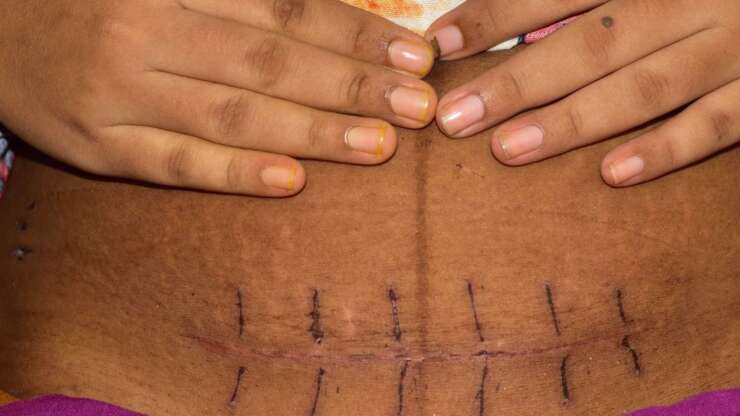
For many women, a cesarean section (C-section) is a life-saving and necessary way to deliver a baby.But after recovery, a very common and often unspoken question quietly follows: “Will having a cesarean section affect my ability to get pregnant again?” The honest answer is this: For most women, a previous cesarean section does not prevent future pregnancy.However, it can influence…
The journey to parenthood can be both exciting and challenging, and for single individuals, surrogacy offers a unique path to building a family. While traditionally seen as an option for couples, surrogacy is increasingly becoming a viable choice for single men and women who wish to have children. This process allows individuals to experience the joys of parenthood with the…
When trying to conceive, many individuals and couples focus on medical treatments, lifestyle changes, and fertility testing. However, one of the most significant factors that can impact fertility is often overlooked: diet. What you eat plays a crucial role in your reproductive health and can influence the outcome of fertility treatments. In this article, we’ll explore the connection between diet…
Surrogacy is a life-changing process that allows individuals and couples to build their families through assisted reproductive technology. However, the legalities surrounding surrogacy can vary widely from country to country, and Nigeria is no exception. In this article, we will explore the legal framework of surrogacy in Nigeria, including the challenges, regulations, and protections available for all parties involved in…
A frozen embryo transfer (FET) is a key procedure in assisted reproductive technology (ART) that allows individuals and couples to use previously frozen embryos for pregnancy. Whether you are going through an FET as part of an in vitro fertilization (IVF) cycle or another fertility treatment, understanding the process and how to prepare is crucial for success. In this step-by-step…
Genetics play a crucial role in reproductive health, influencing fertility and the ability to conceive. Understanding the genetic factors that impact fertility is essential for both men and women, as they can provide valuable insights into reproductive health, fertility treatments, and family planning. In this article, we will explore the role of genetics in fertility and why it matters when…