
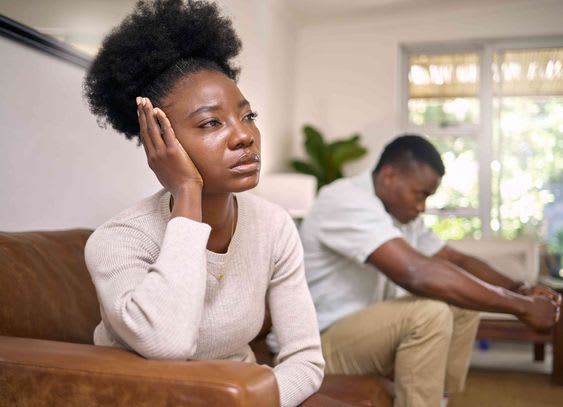
Fertility treatment is not only a medical journey.
It is an emotional one — often slow, uncertain and quietly exhausting.
Many people begin treatment hopeful and motivated. But when cycles stretch into months or years, test results fluctuate, and plans change repeatedly, emotional strength can wear down. Even the most supportive families and caring partners may not fully understand what the experience feels like from the inside.
This article explores what emotional resilience really means during long-term fertility treatment, why it matters, the hidden emotional pressures many patients carry, and practical, realistic ways to protect your mental and emotional wellbeing while continuing treatment.
What does emotional resilience mean in fertility care?
Emotional resilience does not mean:
-
staying positive all the time
-
ignoring sadness, fear or anger
-
pretending treatment is easy
-
or forcing yourself to be “strong”
In fertility care, emotional resilience means:
-
being able to experience disappointment without giving up on yourself
-
recovering emotionally after difficult news or failed cycles
-
staying psychologically stable while continuing to make decisions
-
protecting your sense of identity outside of fertility treatment
-
remaining emotionally connected to your partner, family and life
Resilience is not something people are born with.
It is something that can be built — slowly, deliberately and compassionately.
Why long-term fertility treatment is emotionally demanding
Fertility treatment places people in a unique emotional environment.
Several psychological stressors occur at the same time.
1. Constant uncertainty
Unlike many medical treatments, fertility treatment rarely provides clear timelines.
You may not know:
-
how long treatment will last
-
whether the next cycle will work
-
whether a diagnosis will change
-
whether more tests will be required
-
whether finances will allow you to continue
The human brain finds uncertainty extremely stressful.
2. Repeated emotional highs and lows
Each cycle brings:
-
hope
-
planning
-
anticipation
-
waiting
-
and often — disappointment
This emotional rollercoaster can gradually drain motivation and emotional energy.
3. Loss of control
Many people describe fertility treatment as the first time in their adult lives when effort does not guarantee results.
You can:
-
follow instructions
-
take medications properly
-
attend every appointment
-
change your lifestyle
…and still not achieve pregnancy.
This loss of control is deeply unsettling.
4. Silent grief
Every unsuccessful cycle represents a loss.
Not only the loss of a pregnancy, but also:
-
the loss of imagined timelines
-
the loss of expectations
-
the loss of certainty about the future
-
the loss of how you expected parenthood to happen
Because these losses are invisible, many patients grieve quietly.
5. Social and cultural pressure
In many African and family-centred cultures, including Nigeria and Ghana, fertility is closely linked to identity, marriage stability and social respect.
This can create:
-
shame
-
fear of judgment
-
pressure to hide treatment
-
emotional isolation
-
tension within extended families
The emotional impact of long-term treatment on individuals
Over time, untreated emotional strain may present as:
-
persistent anxiety
-
sadness that does not lift between cycles
-
emotional numbness
-
irritability
-
difficulty concentrating
-
withdrawal from social activities
-
constant rumination about outcomes
Many patients blame themselves for these reactions.
In reality, these are natural psychological responses to prolonged stress.
The emotional impact on relationships
Long-term fertility treatment also places strain on relationships.
Common challenges include:
-
partners coping differently
-
unequal emotional expression
-
disagreements about finances
-
disagreements about continuing or stopping treatment
-
sexual intimacy becoming scheduled and stressful
-
emotional distance after repeated disappointments
Resilience is not only individual.
It is also relational.
Why emotional resilience is medically important
Emotional wellbeing is not separate from medical care.
High and prolonged stress can:
-
worsen sleep quality
-
reduce treatment adherence
-
increase treatment drop-out
-
increase anxiety during procedures
-
reduce motivation to attend appointments
Resilience does not increase pregnancy rates directly.
But it improves the sustainability of treatment.
It allows people to remain emotionally functional while continuing care.
The biggest emotional traps during long-term fertility treatment
Understanding common emotional traps helps people avoid unnecessary self-blame.
1. Measuring self-worth by treatment outcomes
Many people unconsciously begin to associate success or failure with their value as a person.
Statements such as:
-
“My body is failing me.”
-
“I am broken.”
-
“I am letting my partner down.”
This thinking quietly damages self-esteem.
2. Putting life on hold
Some patients stop:
-
travelling
-
planning
-
pursuing goals
-
celebrating milestones
Life becomes suspended “until pregnancy happens”.
This increases emotional dependency on treatment outcomes.
3. Avoiding all difficult emotions
Trying to suppress sadness or fear often increases emotional pressure.
Unprocessed emotions tend to resurface later as anxiety, anger or emotional exhaustion.
4. Over-researching and constant comparison
Endless searching, reading success stories, and comparing treatment journeys can:
-
increase false hope
-
increase fear
-
create unrealistic expectations
-
fuel emotional overwhelm
How emotional resilience can be built during fertility treatment
Resilience is developed through consistent emotional practices — not through forced positivity.
1. Allow your emotions without judgment
It is normal to feel:
-
hopeful and hopeless in the same week
-
grateful and angry at the same time
-
excited and terrified about procedures
Emotional resilience begins when you stop judging your emotional reactions.
You are responding to a difficult experience.
Not failing at coping.
2. Separate your identity from your fertility journey
You are more than a patient.
Long-term treatment can gradually narrow a person’s identity until everything becomes about fertility.
Protect your identity by staying connected to:
-
work or meaningful projects
-
friendships
-
creative interests
-
spiritual or community life
-
personal goals unrelated to treatment
This creates emotional balance.
3. Build emotional safety into your treatment routine
Treatment schedules often focus only on medications and appointments.
Emotional care should also be scheduled.
This may include:
-
weekly time for emotional reflection
-
journaling after appointments
-
debriefing with your partner after results
-
quiet personal time after procedures
-
speaking with a counsellor or therapist
Do not wait until emotional distress becomes overwhelming.
4. Learn how to emotionally recover after difficult results
The way patients process bad news strongly influences resilience.
After disappointing results:
-
allow yourself a specific recovery period
-
avoid immediate major decisions
-
avoid self-blame
-
avoid comparing with others
Give your nervous system time to stabilise before planning the next step.
5. Improve emotional communication with your partner
Partners often experience treatment differently.
One may want to talk.
The other may want space.
Neither response is wrong.
Helpful practices include:
-
checking in emotionally, not only medically
-
naming feelings rather than offering solutions
-
allowing different coping styles
-
discussing fears about finances and timelines openly
Strong emotional communication reduces loneliness inside the relationship.
6. Create emotional boundaries with others
You are not required to update everyone.
You are allowed to:
-
decline intrusive questions
-
change the subject
-
ask family members to respect privacy
-
limit discussions with people who unintentionally cause distress
Protecting your emotional space is not selfish.
It is essential.
7. Prepare emotionally for waiting periods
Waiting is one of the most emotionally difficult parts of fertility care.
During waiting periods:
-
avoid checking constantly for symptoms
-
reduce online searching
-
structure your days intentionally
-
engage in activities that demand mental focus
Idle waiting increases emotional stress.
8. Develop realistic hope
Resilient hope is not blind optimism.
It is:
-
staying open to possibility
-
accepting uncertainty
-
recognising that treatment outcomes are not fully controllable
-
allowing flexibility in future plans
Hope should not be used to silence fear.
Both can exist together.
9. Seek professional emotional support early
Psychological support is not only for crisis.
Many fertility patients benefit from:
-
fertility-informed counselling
-
trauma-informed therapy
-
support groups with other patients
Professional support helps:
-
process grief
-
manage anxiety
-
improve emotional regulation
-
strengthen coping strategies
It also normalises emotional reactions.
10. Redefine what progress means
In long-term treatment, progress is not only pregnancy.
Progress may be:
-
better emotional stability after results
-
clearer communication with your partner
-
improved self-confidence during consultations
-
improved ability to ask questions
-
stronger boundaries with family
These emotional skills support long-term wellbeing regardless of outcomes.
When emotional resilience is becoming strained
You may benefit from additional support if you notice:
-
persistent sadness
-
daily anxiety about treatment
-
frequent emotional breakdowns
-
sleep problems
-
loss of interest in daily activities
-
increased conflict with your partner
-
feelings of hopelessness or emptiness
These are signs of emotional overload, not personal weakness.
A gentle reminder about strength
Many fertility patients are far stronger than they realise.
But strength is not shown only by continuing treatment.
It is also shown by:
-
asking for help
-
admitting emotional difficulty
-
protecting your mental health
-
making decisions that honour your wellbeing
Final thoughts
Long-term fertility treatment places emotional demands on people that few other medical experiences create.
The repeated cycles of hope, waiting, disappointment and adjustment require emotional skills that most people were never taught.
Building emotional resilience does not remove pain.
It allows you to:
-
stay emotionally connected to yourself
-
preserve your relationships
-
protect your identity
-
and continue your journey with compassion rather than emotional exhaustion
No matter how your fertility journey unfolds, your emotional well-being deserves just as much care as your physical treatment.