Pelvic Inflammatory Disease (PID) is one of the most important — and often preventable — causes of infertility in women.
Many women do not realise they have had PID until they begin trying to conceive and encounter difficulty. In some cases, the infection may have caused silent damage to the reproductive organs long before any symptoms were noticed.
Understanding how PID affects fertility is essential for prevention, early treatment, and protecting future reproductive health.
What Is Pelvic Inflammatory Disease (PID)?


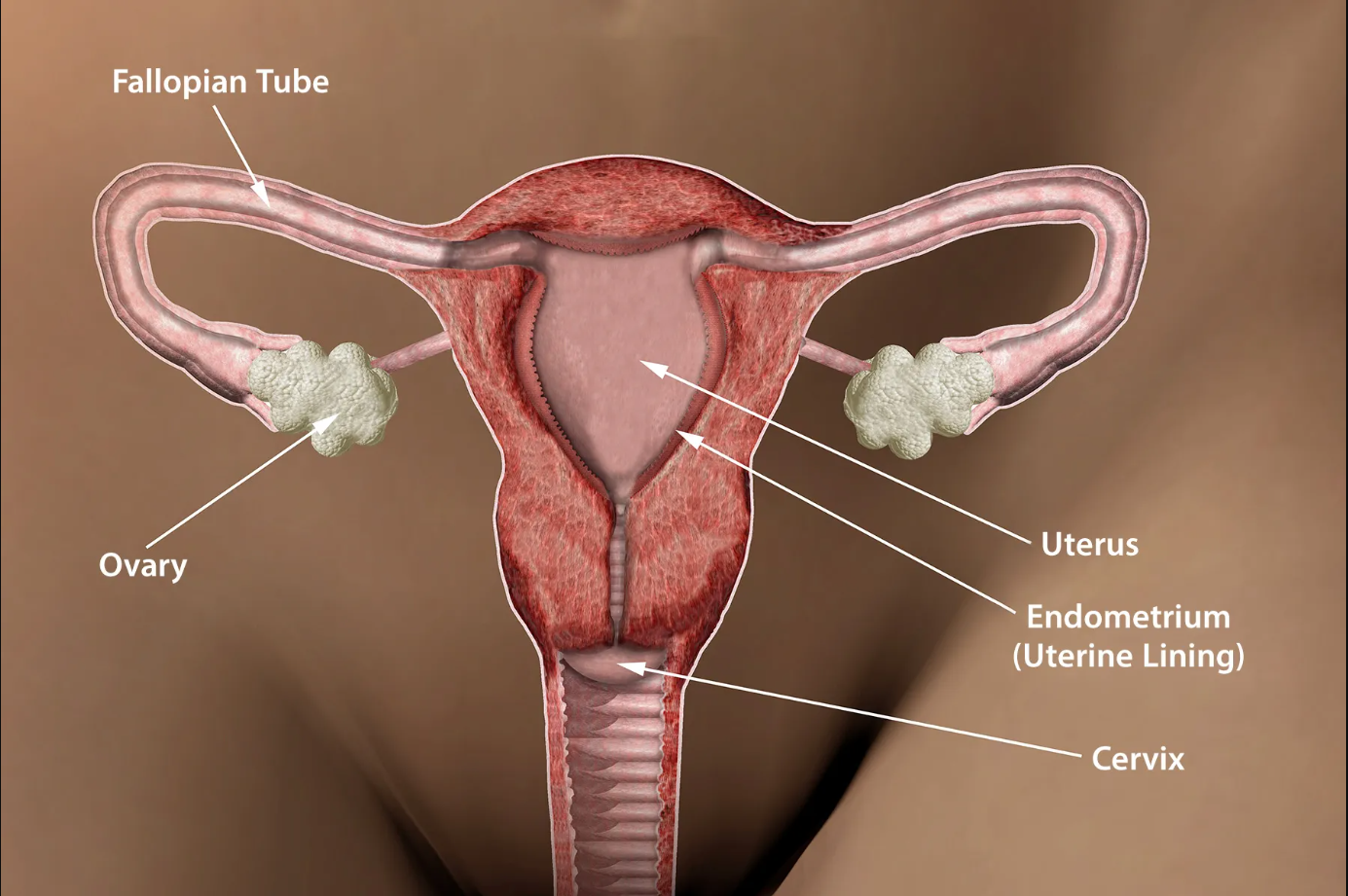
Pelvic Inflammatory Disease is an infection of the female reproductive organs, including:
- the uterus
- the fallopian tubes
- the ovaries
- surrounding pelvic tissues
It usually occurs when bacteria travel upward from the vagina or cervix into the upper reproductive tract.
The most common causes are untreated sexually transmitted infections (STIs), especially:
- chlamydia
- gonorrhea
However, PID can also occur from other bacteria, particularly after:
- childbirth
- miscarriage
- abortion
- insertion of intrauterine devices (in rare cases)
- pelvic surgical procedures
Why PID is dangerous for fertility
The reproductive organs are delicate and highly structured.
For pregnancy to occur naturally:
- The ovary must release an egg
- The fallopian tube must pick up the egg
- Fertilisation must occur inside the tube
- The embryo must travel to the uterus
- The embryo must implant in the uterine lining
PID can disrupt this process at multiple stages.
How PID causes infertility
The main way PID leads to infertility is through inflammation and scarring.
1. Damage to the fallopian tubes


The fallopian tubes are the most vulnerable structures in PID.
During infection:
- the lining of the tubes becomes inflamed
- tiny hair-like structures (cilia) are damaged
- the tubes may swell with fluid or pus
After healing:
- scar tissue forms
- tubes may become narrowed or blocked
- normal movement of the egg is disrupted
This can lead to:
- difficulty meeting sperm (preventing fertilisation)
- inability of the fertilised egg to travel to the uterus
Even partial damage can reduce fertility significantly.
2. Tubal blockage (tubal factor infertility)
One of the most common consequences of PID is blocked fallopian tubes.
When tubes are blocked:
- sperm cannot reach the egg
- fertilisation cannot occur naturally
This condition is known as tubal factor infertility.
In many cases, women are unaware of tubal blockage until fertility testing is done.
3. Increased risk of ectopic pregnancy
When a fertilised egg cannot move properly through a damaged fallopian tube, it may implant inside the tube instead of the uterus.
This leads to an ectopic pregnancy, a serious and potentially life-threatening condition.
Women with a history of PID have a significantly higher risk of:
- ectopic pregnancy
- repeated ectopic pregnancies
4. Pelvic adhesions (internal scar tissue)
PID can cause organs in the pelvis to stick together due to scar tissue.
Adhesions may involve:
- fallopian tubes
- ovaries
- uterus
- surrounding tissues
This can:
- distort normal anatomy
- restrict movement of reproductive organs
- interfere with egg release and pickup
Even if the tubes are not completely blocked, adhesions can still reduce fertility.
5. Ovarian involvement
In severe cases, PID can affect the ovaries.
This may lead to:
- abscess formation (pus-filled pockets)
- inflammation of ovarian tissue
- disruption of normal ovulation
While less common, ovarian damage can further complicate fertility.
6. Chronic pelvic inflammation
Some women develop long-term, low-grade inflammation after PID.
This can create an environment that is less favourable for:
- fertilisation
- embryo development
- implantation
Chronic inflammation may also cause:
- ongoing pelvic pain
- discomfort during intercourse
Can PID cause infertility after just one episode?
Yes — it can.
Even a single episode of PID can cause damage.
However, the risk increases significantly with:
- repeated infections
- delayed treatment
- severe or untreated PID
The more times PID occurs, the higher the risk of permanent damage.
How common is infertility after PID?
The risk depends on severity and treatment timing.
- After one episode: risk is relatively low but present
- After two episodes: risk increases significantly
- After three or more episodes: risk becomes much higher
Early diagnosis and treatment greatly reduce long-term damage.
Symptoms of PID (and why it is often missed)
Many women expect infections to be obvious.
However, PID can be:
- mild
- vague
- or completely silent
Common symptoms include:
- lower abdominal pain
- abnormal vaginal discharge
- pain during intercourse
- irregular bleeding
- fever (in severe cases)
- painful urination
But in many cases:
- symptoms are mild
- symptoms are mistaken for menstrual discomfort
- or no symptoms are present at all
This is why PID is often diagnosed late — after damage has already occurred.
How PID is diagnosed
Diagnosis is based on a combination of:
- medical history
- physical examination
- laboratory tests for infection
- pelvic ultrasound
- sometimes laparoscopy (in complex cases)
There is no single test that confirms PID in all cases.
How PID is treated
PID is treated with antibiotics.
Treatment usually includes:
- a combination of antibiotics to cover multiple bacteria
- treatment of sexual partners
- temporary avoidance of sexual activity during treatment
Early treatment can:
- clear infection
- prevent further damage
- reduce complications
However, antibiotics cannot reverse existing scarring.
Fertility options after PID-related damage
Even if PID has caused damage, pregnancy is still possible.
Treatment depends on the extent of the damage.
1. Natural conception (mild damage)
If the tubes are still open and functioning:
- natural conception may still occur
- timing ovulation may improve chances
2. Surgical treatment
In selected cases, surgery may be used to:
- remove adhesions
- open blocked tubes
- restore anatomy
However, success depends on the severity of damage.
3. In Vitro Fertilization (IVF)


IVF is often the most effective option for women with severe tubal damage.
How IVF helps:
- eggs are retrieved directly from the ovaries
- fertilisation occurs in the lab
- embryos are placed directly into the uterus
This bypasses the fallopian tubes completely.
IVF has helped many women with PID-related infertility achieve pregnancy.
Preventing PID and protecting fertility
Prevention is the most powerful strategy.
Key steps include:
- practicing safe sex (use of protection)
- regular STI screening
- early treatment of infections
- limiting multiple sexual partners
- ensuring both partners are treated when infection is detected
- seeking medical care for unusual symptoms
When should you seek fertility evaluation after PID?
You should consider evaluation if:
- you have a history of PID
- you have been trying to conceive for 6–12 months without success
- you have had an ectopic pregnancy
- you experience chronic pelvic pain
Early evaluation helps guide appropriate treatment.
Emotional impact of PID-related infertility
Many women feel:
- guilt
- regret
- shame
- anger
especially if the infection was preventable or undiagnosed for a long time.
It is important to understand:
- many cases of PID are silent and not your fault
- infections can occur even with precautions
- fertility challenges are medical conditions — not personal failures
Emotional support is just as important as medical care.
Final thoughts
Pelvic Inflammatory Disease is a serious but often preventable cause of infertility.
It can quietly damage the fallopian tubes, ovaries, and surrounding pelvic structures — sometimes without obvious symptoms.
The key messages are:
- early detection matters
- prompt treatment reduces long-term damage
- even after PID, pregnancy is still possible
- modern fertility treatments, especially IVF, offer real solutions
Protecting your reproductive health begins with awareness.
If you have a history of PID or symptoms that concern you, seeking early medical evaluation can make a significant difference — not just for fertility, but for your overall health and future wellbeing.