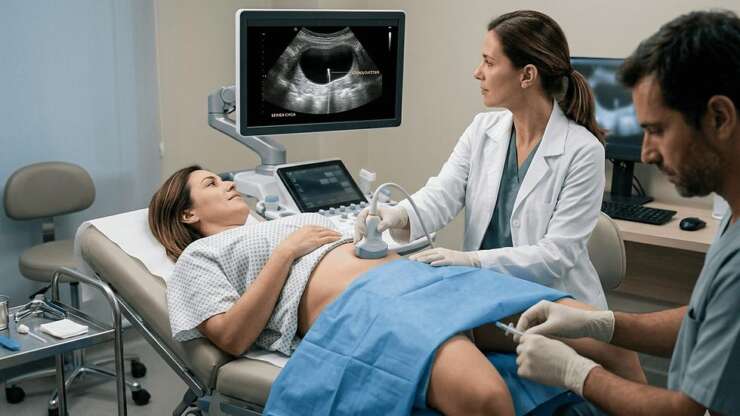
When fertility challenges arise, attention is often directed toward female reproductive health. However, male factors contribute to a significant proportion of infertility cases, and one of the most common treatable causes is varicocele. Many men have never heard of varicocele until they begin fertility testing. Others may know they have it but assume it is harmless because it causes little…
For many women trying to conceive, the menstrual cycle becomes a monthly guide — a way to track ovulation, predict fertile days, and plan for pregnancy. But when cycles are irregular, that sense of predictability disappears. Irregular menstrual cycles are one of the most common concerns in fertility care. They can make ovulation difficult to track, reduce the chances of…
When people think about fertility, they often focus on age, lifestyle, or current health conditions. But one important factor is sometimes overlooked: Family history. Your genetic background and inherited health patterns can quietly shape your reproductive health long before you begin trying to conceive. Understanding your family history does not mean something is wrong — it simply provides insight into…
When people think about fertility, they often focus on age, hormones, or medical conditions. But one powerful factor is frequently overlooked: Nutrition. The body relies on a steady supply of vitamins, minerals, and essential nutrients to regulate hormones, support egg and sperm quality, and maintain a healthy environment for conception and pregnancy. When key nutrients are lacking — even slightly…
Pelvic Inflammatory Disease (PID) is one of the most important — and often preventable — causes of infertility in women. Many women do not realise they have had PID until they begin trying to conceive and encounter difficulty. In some cases, the infection may have caused silent damage to the reproductive organs long before any symptoms were noticed. Understanding how…
When couples struggle to conceive, attention is often placed on the ovaries, the uterus, sperm quality, or age. However, one small, butterfly-shaped gland in the neck quietly controls many of the systems that make reproduction possible — the thyroid gland. Thyroid problems are common, frequently overlooked, and can affect both women and men at every stage of the fertility journey…
In recent years, artificial intelligence (AI) has emerged as a powerful tool in healthcare, transforming various medical fields, including fertility treatments. As couples and individuals face challenges in building families, AI is being leveraged to improve the success rates, efficiency, and overall experience of fertility treatments. From enhancing diagnostic accuracy to streamlining IVF procedures, AI is playing an increasingly critical…
Infertility is a concern that affects both men and women, and while much of the focus tends to be on female reproductive health, male infertility is just as prevalent and impactful. One common yet often overlooked cause of male infertility is varicocele. Varicocele is a condition where the veins within the scrotum become enlarged, resembling varicose veins seen in the…
Thyroid health is a key factor in overall reproductive health, and its impact on fertility is often underestimated. The thyroid, a small butterfly-shaped gland located in the neck, plays a crucial role in regulating metabolism, energy production, and growth through the hormones it produces: thyroxine (T4) and triiodothyronine (T3). When thyroid function is imbalanced, it can significantly affect fertility in…
Fertility treatments offer hope for individuals and couples who dream of becoming parents, but the emotional and psychological toll of the journey can be overwhelming. Whether you’re undergoing in vitro fertilization (IVF), intrauterine insemination (IUI), or other fertility interventions, the process can be filled with uncertainty, stress, and emotional highs and lows. Understanding the psychological impact of fertility treatments and…