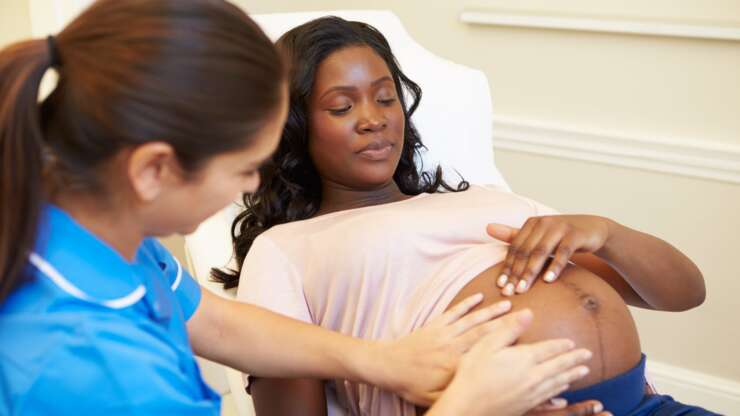
Pregnancy is an exciting, life-changing journey for many, but for women over the age of 40, it can come with unique challenges. As women age, fertility naturally declines, and the chances of experiencing complications during pregnancy can increase. However, it’s important to note that with advancements in reproductive health, many women are successfully conceiving and delivering healthy babies later in…
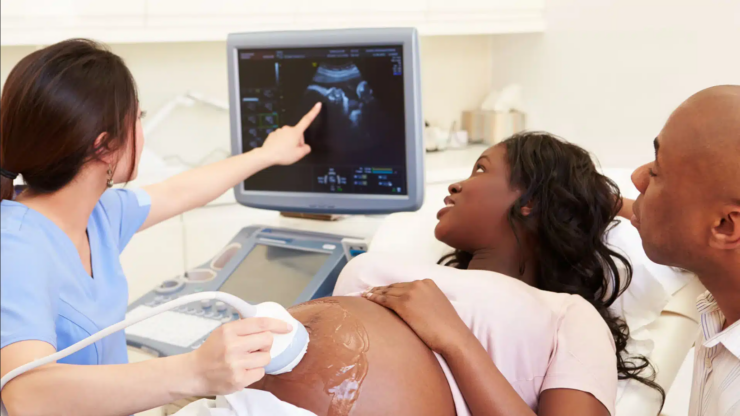
Ovarian Cysts Ovarian cysts have been touted as major causes of infertility, but the truth is that they don’t always cause fertility problems. What are ovarian cysts? They are fluid or solid-filled sacs within or on the ovaries. They are mostly asymptomatic but may cause sudden pain or discomfort when they rupture. These cysts are usually diagnosed through ultrasound scans.…
Polycystic Ovary Syndrome, commonly known as PCOS, is one of the most common hormonal conditions affecting women of reproductive age. It is also one of the leading causes of infertility. Yet despite how common it is, many women do not fully understand what PCOS is, how it affects fertility, or what can be done about it. For some women, PCOS…
When fertility challenges arise, attention is often directed toward female reproductive health. However, male factors contribute to a significant proportion of infertility cases, and one of the most common treatable causes is varicocele. Many men have never heard of varicocele until they begin fertility testing. Others may know they have it but assume it is harmless because it causes little…
For many women trying to conceive, the menstrual cycle becomes a monthly guide — a way to track ovulation, predict fertile days, and plan for pregnancy. But when cycles are irregular, that sense of predictability disappears. Irregular menstrual cycles are one of the most common concerns in fertility care. They can make ovulation difficult to track, reduce the chances of…
When people think about fertility, they often focus on age, lifestyle, or current health conditions. But one important factor is sometimes overlooked: Family history. Your genetic background and inherited health patterns can quietly shape your reproductive health long before you begin trying to conceive. Understanding your family history does not mean something is wrong — it simply provides insight into…
When people think about fertility, they often focus on age, hormones, or medical conditions. But one powerful factor is frequently overlooked: Nutrition. The body relies on a steady supply of vitamins, minerals, and essential nutrients to regulate hormones, support egg and sperm quality, and maintain a healthy environment for conception and pregnancy. When key nutrients are lacking — even slightly…
For many couples, the journey to parenthood is guided not only by the desire to conceive, but also by the hope of having a healthy child. When one or both partners carry a genetic disorder — or have a family history of inherited conditions — this journey can feel more complex, uncertain, and emotionally challenging. Questions often arise: Will we…