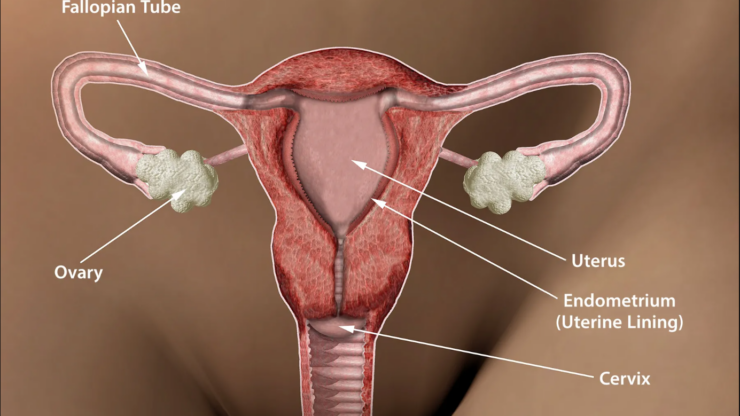
When couples begin investigating fertility challenges, one of the first and most important steps is hormone testing. Hormones act as the body’s internal communication system — controlling ovulation, sperm production, menstrual cycles, implantation, and early pregnancy support. When these signals are disrupted, fertility can be affected in subtle or significant ways. Understanding hormone testing helps you move from confusion to…

For couples trying to conceive, timing is everything. Many people assume that pregnancy can happen at any time during the menstrual cycle. In reality, there is only a small window each month when conception is most likely to occur — and that window is directly linked to ovulation. Understanding and tracking ovulation can significantly improve the chances of getting pregnant,…
Pelvic Inflammatory Disease (PID) is one of the most important — and often preventable — causes of infertility in women. Many women do not realise they have had PID until they begin trying to conceive and encounter difficulty. In some cases, the infection may have caused silent damage to the reproductive organs long before any symptoms were noticed. Understanding how…
Fertility treatment is not only a medical journey.It is an emotional one — often slow, uncertain and quietly exhausting. Many people begin treatment hopeful and motivated. But when cycles stretch into months or years, test results fluctuate, and plans change repeatedly, emotional strength can wear down. Even the most supportive families and caring partners may not fully understand what the…
When couples struggle to conceive, attention is often placed on the ovaries, the uterus, sperm quality, or age. However, one small, butterfly-shaped gland in the neck quietly controls many of the systems that make reproduction possible — the thyroid gland. Thyroid problems are common, frequently overlooked, and can affect both women and men at every stage of the fertility journey…
In recent years, artificial intelligence (AI) has emerged as a powerful tool in healthcare, transforming various medical fields, including fertility treatments. As couples and individuals face challenges in building families, AI is being leveraged to improve the success rates, efficiency, and overall experience of fertility treatments. From enhancing diagnostic accuracy to streamlining IVF procedures, AI is playing an increasingly critical…
Obesity is a growing global health issue that not only affects overall well-being but also has significant implications for reproductive health. For both men and women, obesity can interfere with fertility, making it more difficult to conceive. The relationship between obesity and fertility is complex, with various physical, hormonal, and metabolic changes influencing the ability to become pregnant. In this…
Infertility is a concern that affects both men and women, and while much of the focus tends to be on female reproductive health, male infertility is just as prevalent and impactful. One common yet often overlooked cause of male infertility is varicocele. Varicocele is a condition where the veins within the scrotum become enlarged, resembling varicose veins seen in the…