When couples struggle to conceive, attention is often placed on the ovaries, the uterus, sperm quality, or age. However, one small, butterfly-shaped gland in the neck quietly controls many of the systems that make reproduction possible — the thyroid gland.
Thyroid problems are common, frequently overlooked, and can affect both women and men at every stage of the fertility journey — from ovulation and sperm production to implantation and early pregnancy.
This article explains, in clear and practical terms, how thyroid health influences fertility, what can go wrong, how problems are diagnosed, and what couples should know before and during treatment.
What is the thyroid gland, and what does it do?


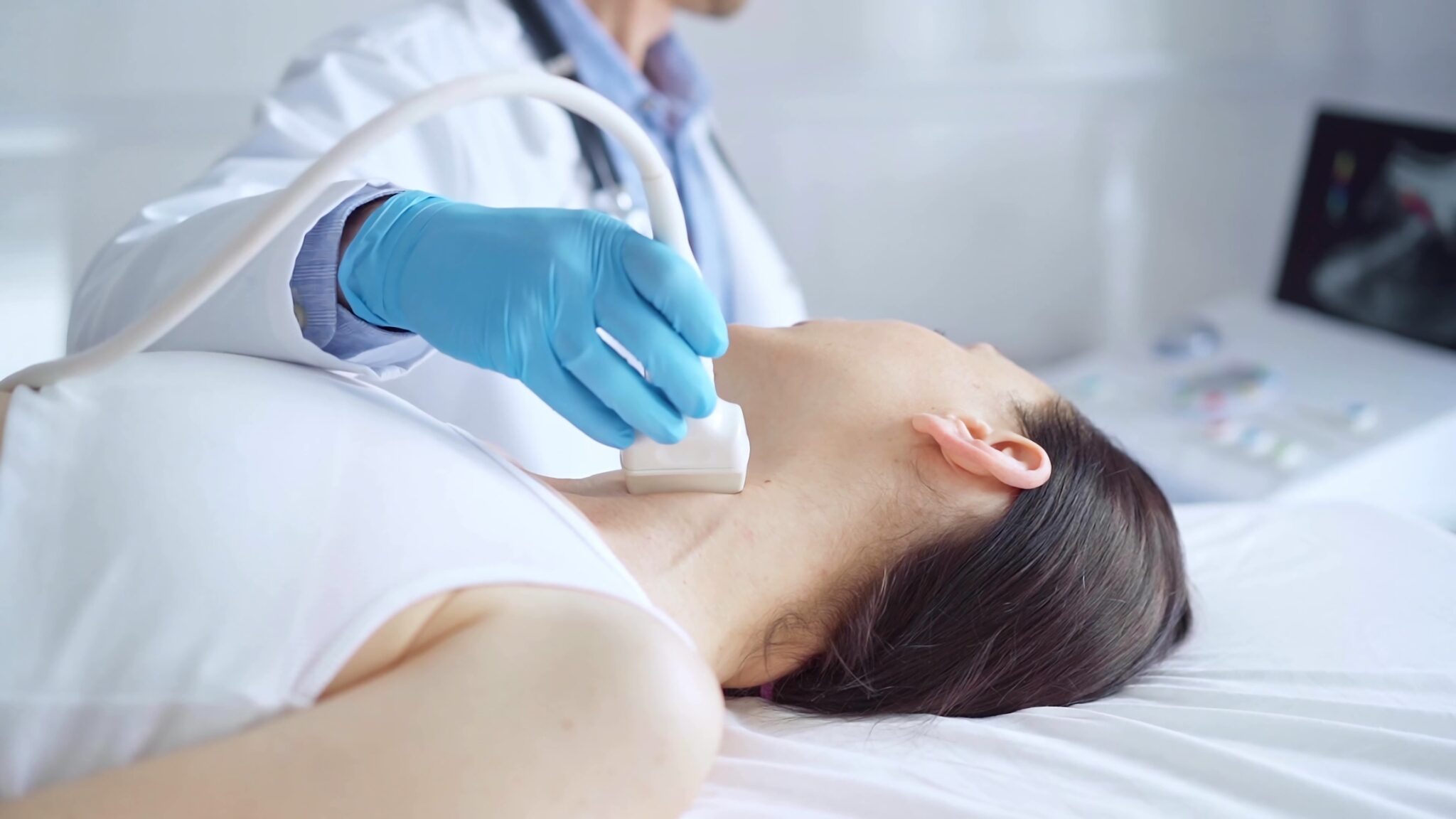
The thyroid is a small, butterfly-shaped gland located at the front of the neck, just below the voice box.
Its main role is to produce two hormones:
-
T3 (triiodothyronine)
-
T4 (thyroxine)
These hormones regulate:
-
How fast your body uses energy
-
How your organs function
-
How your brain, heart, and muscles work
-
How your reproductive system responds to other hormones
In simple terms, the thyroid acts as the body’s metabolic control center. When it is out of balance, many body systems — including fertility — are affected.
Why thyroid health matters for fertility
Fertility depends on a delicate hormonal balance. Thyroid hormones interact closely with:
-
reproductive hormones (FSH and LH)
-
estrogen and progesterone
-
prolactin
-
sex hormone–binding proteins
When thyroid hormones are abnormal, this hormonal communication becomes disrupted. As a result:
-
ovulation may not occur normally
-
menstrual cycles may become irregular
-
implantation may be affected
-
early pregnancy may become unstable
Thyroid disorders do not only affect women. They also influence male reproductive hormones and sperm health.
The two main thyroid problems that affect fertility
1. Hypothyroidism (underactive thyroid)
This occurs when the thyroid does not produce enough hormones.
It is one of the most common hidden medical causes of fertility problems.
Common effects on fertility include:
-
irregular or absent ovulation
-
long or unpredictable menstrual cycles
-
low progesterone levels
-
difficulty maintaining early pregnancy
-
increased risk of miscarriage
Typical symptoms may include:
-
tiredness and low energy
-
unexplained weight gain
-
cold intolerance
-
dry skin
-
hair thinning
-
constipation
-
depression or low mood
Many women assume these symptoms are simply stress or lifestyle related and never test their thyroid levels.
2. Hyperthyroidism (overactive thyroid)
This occurs when the thyroid produces excessive hormones.
Although less common than hypothyroidism, it can also disrupt fertility.
Possible effects include:
-
irregular cycles
-
very light or infrequent periods
-
reduced chances of ovulation
-
increased risk of early pregnancy complications
Common symptoms include:
-
fast heartbeat
-
weight loss despite normal eating
-
anxiety
-
heat intolerance
-
tremors
-
difficulty sleeping
How thyroid disorders affect female fertility
Thyroid imbalance can interfere with several key stages of reproduction.
Ovulation
Normal ovulation depends on precise hormonal signals from the brain to the ovaries. Thyroid disorders can interfere with these signals, leading to:
-
delayed ovulation
-
weak ovulation
-
or anovulation (no ovulation)
Without regular ovulation, conception becomes difficult.
Menstrual cycle regulation
Women with thyroid problems often experience:
-
irregular periods
-
very heavy bleeding
-
very light bleeding
-
cycles that change from month to month
These irregularities reduce predictability and can hide ovulation problems.
Luteal phase and progesterone support
After ovulation, the body must produce enough progesterone to support implantation.
Thyroid dysfunction can reduce progesterone levels, making it harder for a fertilised egg to implant and develop properly.
Implantation and early pregnancy
Even when fertilisation occurs, abnormal thyroid hormone levels can interfere with:
-
endometrial receptivity
-
placental development
-
early embryo support
This increases the risk of early pregnancy loss.
How thyroid disorders affect male fertility
Thyroid health is just as important for men.
In men, thyroid imbalance can affect:
-
testosterone regulation
-
sperm production
-
sperm motility
-
erectile and ejaculatory function
Men with untreated thyroid disease may experience:
-
low sperm count
-
reduced sperm movement
-
reduced libido
-
fatigue and sexual dysfunction
In couples facing unexplained infertility, male thyroid screening is often overlooked.
Autoimmune thyroid disease and fertility
One of the most common causes of thyroid problems is autoimmune disease.
In this condition, the immune system mistakenly attacks the thyroid gland.
Even when hormone levels appear normal, autoimmune activity alone may increase:
-
implantation failure
-
miscarriage risk
-
pregnancy complications
This means some women may struggle with fertility even though standard thyroid hormone tests appear “normal.”
Thyroid health and miscarriage risk
Multiple studies have shown that both overt and mild thyroid dysfunction can increase the risk of miscarriage.
This includes:
-
untreated hypothyroidism
-
poorly controlled hyperthyroidism
-
autoimmune thyroid disease
For women with a history of repeated pregnancy loss, thyroid screening should be part of routine evaluation.
Thyroid disorders and assisted reproductive treatments
For couples undergoing fertility treatment such as ovulation induction, IUI or IVF, thyroid balance becomes even more important.
Poor thyroid control may reduce:
-
ovarian response to stimulation
-
egg quality
-
embryo development
-
implantation rates
Most fertility clinics now require thyroid hormone levels to be stabilised before starting treatment.
How is thyroid function tested?
Thyroid health is assessed using blood tests, including:
-
TSH (thyroid stimulating hormone)
-
Free T4
-
Sometimes Free T3
-
Thyroid antibody tests (when autoimmune disease is suspected)
TSH is usually the first screening test.
For women trying to conceive or undergoing fertility treatment, doctors often aim for a tighter target range than for the general population.
What is considered a “safe” thyroid level for fertility?
While exact reference ranges differ slightly between laboratories, fertility specialists often prefer:
-
TSH levels to be within the lower half of the normal range
This is especially important:
-
before conception
-
during early pregnancy
-
during fertility treatment cycles
Your doctor will interpret your results in the context of your fertility goals.
Treating thyroid disorders to support fertility
Treating hypothyroidism
Treatment usually involves daily thyroid hormone replacement.
When correctly prescribed and monitored:
-
ovulation often returns to normal
-
cycles stabilise
-
pregnancy outcomes improve significantly
It may take several weeks for hormone levels to stabilise after starting treatment.
Treating hyperthyroidism
Treatment options depend on the cause and severity and may include:
-
medications that reduce hormone production
-
sometimes other medical interventions
Pregnancy planning must be carefully coordinated with treatment, as some medications are not suitable during pregnancy.
Can lifestyle and nutrition support thyroid health?
Lifestyle alone cannot cure thyroid disease. However, supportive habits can improve overall hormonal stability.
Helpful practices include:
-
maintaining adequate iodine intake (but avoiding excess)
-
managing stress
-
treating iron and vitamin deficiencies
-
ensuring adequate selenium and zinc intake through diet
-
getting sufficient sleep
Self-medication with supplements is not recommended without medical guidance, especially when trying to conceive.
Thyroid health during pregnancy
Once pregnancy occurs, thyroid hormone needs increase.
Poorly controlled thyroid disease during pregnancy may increase the risk of:
-
pre-eclampsia
-
preterm delivery
-
low birth weight
-
developmental problems
Women with known thyroid disorders should have their levels monitored closely throughout pregnancy.
When should you consider thyroid testing?
You should strongly consider thyroid screening if:
-
You have irregular periods
-
You struggle to ovulate
-
You have unexplained infertility
-
You have had repeated miscarriages
-
You have a family history of thyroid disease
-
You experience typical thyroid symptoms
-
You are preparing for fertility treatment
Men with unexplained low sperm quality or persistent fatigue should also consider screening.
A common mistake: assuming fertility problems are only reproductive
One of the most painful delays couples experience is spending months or years focusing only on reproductive organs while ignoring systemic conditions such as thyroid disorders.
Thyroid dysfunction is not a rare condition. It is a common and treatable contributor to infertility.
Final thoughts
Thyroid health plays a powerful and often underestimated role in fertility for both women and men.
From ovulation and sperm production to implantation and early pregnancy, the thyroid supports nearly every stage of reproduction.
The good news is this:
Most thyroid-related fertility problems are manageable when properly diagnosed and treated.
For couples struggling to conceive — or preparing for assisted reproduction — checking and optimising thyroid function is not optional. It is a crucial part of building the healthiest possible foundation for pregnancy.
If you suspect that thyroid imbalance may be affecting your fertility journey, speak with your healthcare provider or journeytoparenthood consult and request proper evaluation. Early detection and simple treatment can make a meaningful difference.